Week 14
Your baby is the size of a
Lemon
8.7 cm
Length
43 g
Weight
14 Weeks Pregnant: Baby Can Make Facial Expressions
At 14 weeks pregnant, your baby is about the size of a lemon (approximately 85-93 mm or 3.4-3.7 inches). Your baby can now make facial expressions—squinting, frowning, and grimacing. Many babies start sucking their thumb this week. You’re solidly in the second trimester, often feeling much better than in previous weeks.1
What’s Happening at 14 Weeks Pregnant?
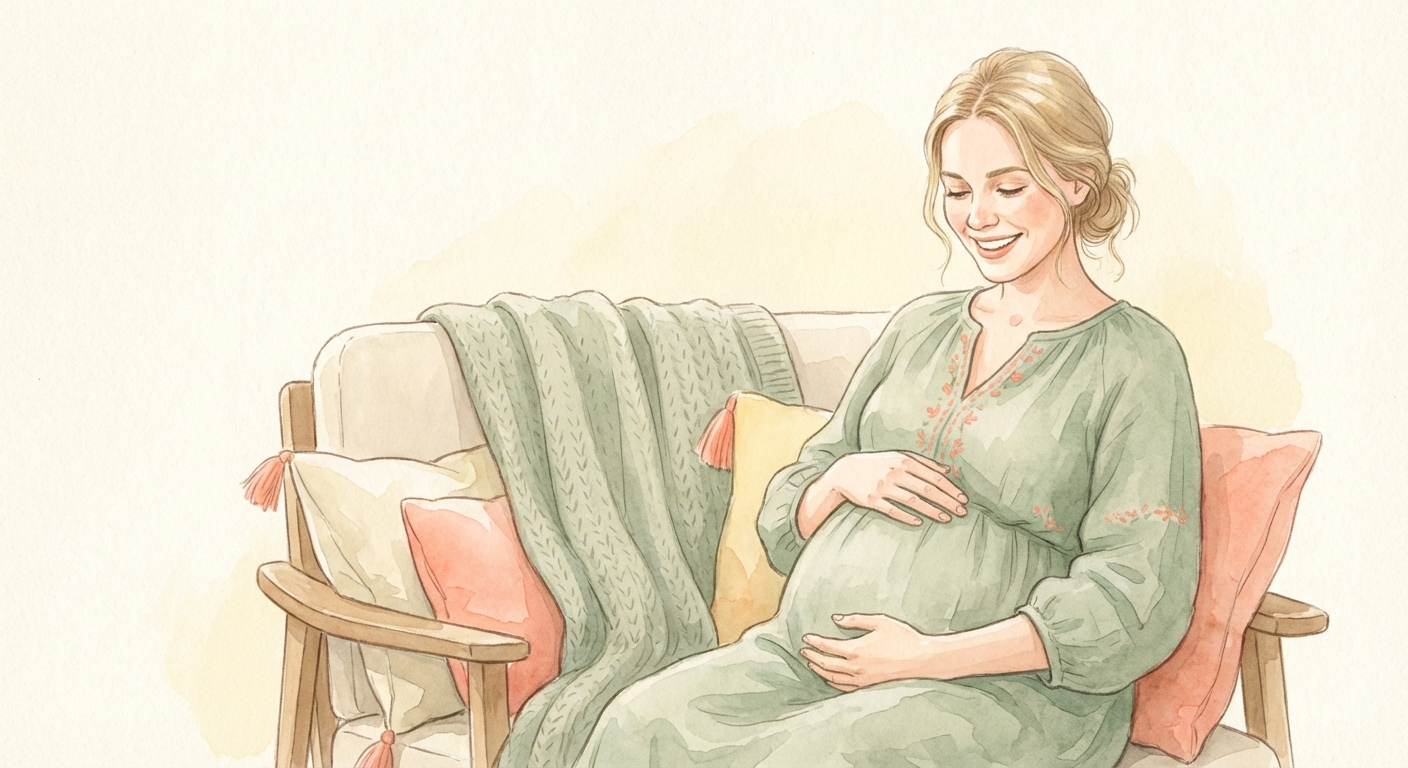
Week 14 brings you further into the second trimester, and for many people, this means feeling significantly better. Energy has returned, morning sickness is gone or greatly reduced, and you may finally feel like enjoying pregnancy rather than just surviving it.
Your baby continues developing rapidly, with movement becoming more coordinated and frequent. While you likely can’t feel these movements yet, your baby is stretching, kicking, and even making facial expressions—practicing all the skills needed for life after birth.2
This is often a wonderful time in pregnancy—you feel good, you’re showing enough to look pregnant (rather than just bloated), but you’re not yet large enough to be uncomfortable. It’s the perfect time to enjoy activities, travel, and preparation for your baby’s arrival.
How Big is My Baby at 14 Weeks?
Your baby at 14 weeks is about the size of a lemon or nectarine, measuring approximately 85-93 millimeters (3.4-3.7 inches) from crown to rump and weighing about 43 grams (1.5 ounces).3
Your baby has nearly doubled in weight since week 12. Body proportions continue balancing, with the head now making up about one-third of total body length.
Baby Development at Week 14
Exciting new capabilities emerge this week:
Facial expressions: Your baby’s facial muscles are developed enough to make expressions—squinting, frowning, grimacing, and even smiling. These aren’t conscious expressions yet, but rather the result of developing muscles and nerves.4
Thumb sucking: Many babies discover their thumb this week and begin sucking it—a self-soothing behavior that may continue after birth.
Coordinated movement: Your baby’s movements are becoming more fluid and coordinated rather than jerky and random. Your baby can:
- Move arms and legs in coordinated patterns
- Bring hands to mouth
- Grasp with fingers (though there’s nothing to grab yet)
- Turn head from side to side
- Kick and stretch5
Organ development:
- Liver: Producing bile
- Spleen: Beginning to help produce red blood cells
- Kidneys: Producing urine continuously
- Thyroid gland: Producing hormones that regulate metabolism
- Pancreas: Producing insulin
- Brain: Sending signals throughout the body via developing nerve pathways
Skeletal system: Bones throughout the body are hardening and becoming stronger. Your baby’s neck is lengthening, allowing more head movement.
Lanugo: Fine, downy hair (lanugo) is growing over your baby’s body. This hair helps regulate body temperature and will be mostly shed before birth.
Developing senses:
- Eyes: Can detect light (though eyelids remain fused)
- Ears: Can possibly detect some sounds, though hearing isn’t fully developed
- Touch: Skin is developing touch receptors
- Taste: Taste buds are functional
Sex organs: External genitalia are developed enough that sex might be determinable on ultrasound, though the 18-20 week anatomy scan is more reliable.6
Respiratory practice: Your baby is making breathing-like movements, though no air is involved—these movements help develop the respiratory muscles.
Red blood cells: The liver and spleen are producing red blood cells, though bone marrow will eventually take over this function.
Common Symptoms at 14 Weeks Pregnant
Week 14 typically brings continued relief from first-trimester symptoms:7
Increased energy: Most people feel significantly more energetic and capable than during the first trimester.
Decreased nausea: Morning sickness is typically gone or greatly reduced by this point.
Increased appetite: With nausea gone, appetite often returns with intensity. Your body needs extra calories to support your growing baby.
Visible baby bump: Your bump is likely visible, especially in fitted clothing. Your uterus has risen above your pubic bone and can often be felt externally.
Round ligament pain: Sharp, brief pains on one or both sides of your lower abdomen are common as ligaments stretch to support your growing uterus.
Heartburn and indigestion: Your expanding uterus can push stomach acid upward, causing heartburn.
Stuffy nose: Increased blood flow can cause nasal congestion (called pregnancy rhinitis), which may last throughout pregnancy.
Bleeding gums: Hormonal changes increase blood flow to gums, making them more sensitive and prone to bleeding when you brush or floss.
Skin changes: You may develop the “pregnancy glow,” darker skin patches (melasma), or a dark line down your abdomen (linea nigra).
Increased vaginal discharge: Thin, milky discharge continues to be normal throughout pregnancy.
Better mood: With physical symptoms improving, mood often stabilizes and improves.
Increased libido: Many people experience increased sex drive in the second trimester.
When to Call Your Doctor
Contact your healthcare provider if you experience:
- Heavy bleeding or passing clots
- Severe abdominal pain
- Fever above 100.4°F (38°C)
- Burning or pain with urination
- Sudden swelling of hands, feet, or face
- Severe, persistent headache with vision changes
Tips for Week 14
Enjoy your energy: Take advantage of feeling good to do things you enjoy—travel, exercise, prepare the nursery, or spend time with friends.
Exercise regularly: The second trimester is a great time to maintain or start a gentle exercise routine. Walking, swimming, prenatal yoga, and strength training are excellent options.
Eat nutritiously: Focus on nutrient-dense foods to support your baby’s rapid growth. You need about 300-350 extra calories daily in the second trimester.
Schedule your anatomy ultrasound: The detailed anatomy scan typically happens at weeks 18-20. Schedule it now if you haven’t already.
Consider whether you want to know the sex: Decide if you want to find out your baby’s sex at the anatomy scan or wait until birth.
Address round ligament pain: Change positions slowly, avoid sudden movements, stretch gently, and rest when needed.
Manage heartburn: Eat small, frequent meals; avoid trigger foods (spicy, fatty, acidic); don’t lie down right after eating; and sleep with your head elevated.
Start shopping for maternity clothes: Invest in comfortable, well-fitting clothes that make you feel good.
Take care of your gums: Brush gently, floss daily, and schedule a dental cleaning (safe during pregnancy).
Stay hydrated: Continue drinking 8-10 glasses of water daily.
Consider prenatal classes: Research and register for childbirth education, breastfeeding, newborn care, or infant CPR classes.
Tracking Your Pregnancy with Nooko
At 14 weeks pregnant, you’re experiencing the benefits of the second trimester—more energy, less nausea, and exciting new developments like your growing bump. Tracking these positive changes helps you appreciate this special time in your pregnancy journey.
With Nooko, log your improving symptoms, increasing energy, and growing appetite. Track your bump’s growth with weekly photos and measurements. Document when you first notice round ligament pain or other new sensations—these details create a complete picture of your pregnancy experience.
Access week-by-week information about your baby’s development, including new capabilities like facial expressions and thumb sucking. Set goals for exercise, nutrition, and preparation. Plan for upcoming milestones like the anatomy scan and potentially finding out your baby’s sex. Download Nooko to make the most of your second-trimester “golden period.”
Download Nooko on the App Store | Get Nooko on Google Play
References
Footnotes
-
American College of Obstetricians and Gynecologists. (2025). “How Your Fetus Grows During Pregnancy.” https://www.acog.org/womens-health/faqs/how-your-fetus-grows-during-pregnancy ↩
-
Mayo Clinic. (2024). “Fetal development: The 2nd trimester.” https://www.mayoclinic.org/healthy-lifestyle/pregnancy-week-by-week/in-depth/fetal-development/art-20046151 ↩
-
BabyCenter. (2025). “14 weeks pregnant: Symptoms, baby development, and more.” ↩
-
Cleveland Clinic. (2025). “Fetal Development: Week-by-Week Stages of Pregnancy.” https://my.clevelandclinic.org/health/articles/7247-fetal-development-stages-of-growth ↩
-
Jackson Health. “First, Second & Third Trimester | Pregnancy Milestones and Stages.” https://maternity.jacksonhealth.org/pregnancy-milestones/first-second-third-trimester/ ↩
-
Jackson Health. “First, Second & Third Trimester | Pregnancy Milestones and Stages.” ↩
-
Mayo Clinic. “Symptoms of pregnancy: What happens first.” https://www.mayoclinic.org/healthy-lifestyle/getting-pregnant/in-depth/symptoms-of-pregnancy/art-20043853 ↩
Get Weekly Pregnancy Tips
Expert advice for every stage of your journey
No spam. Privacy policy. Unsubscribe anytime.