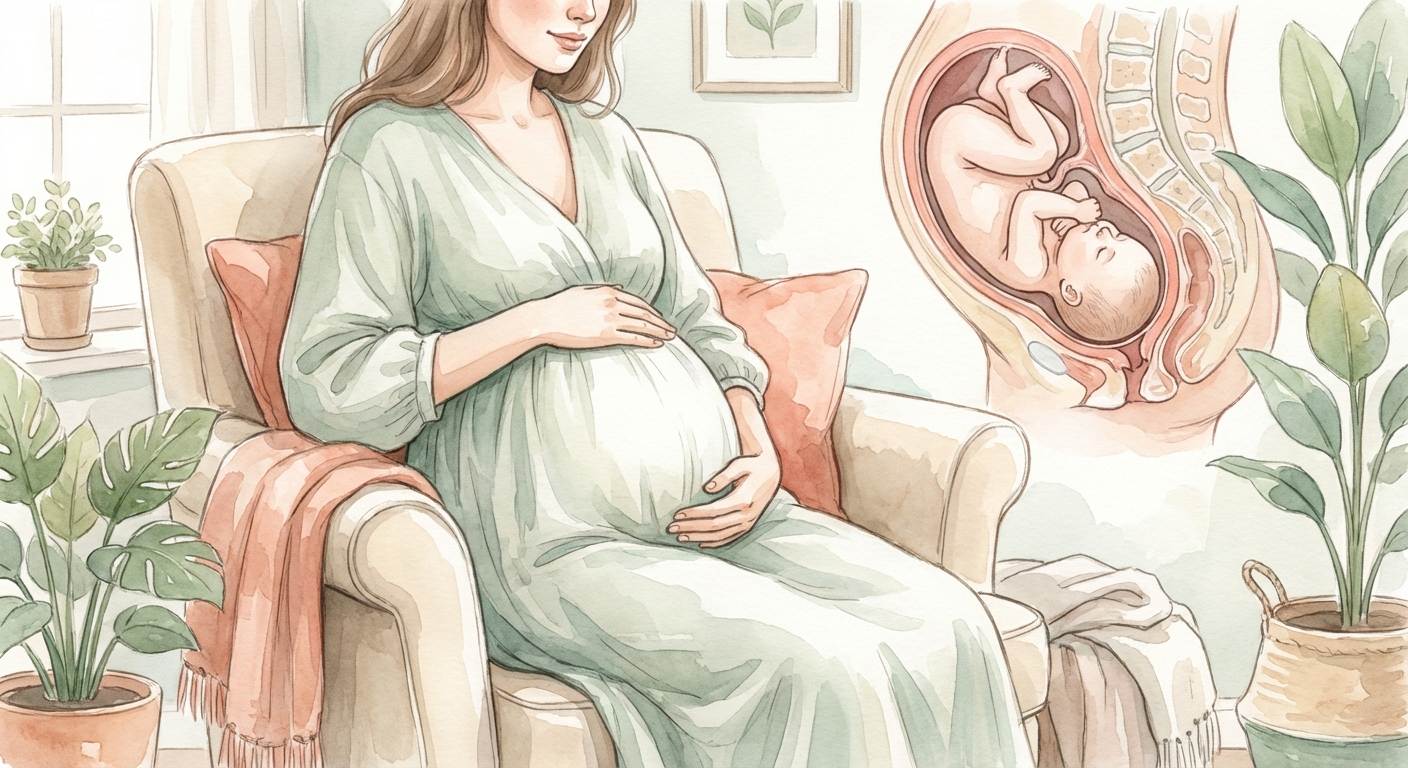
Week 23
Your baby is the size of a
Grapefruit
28.9 cm
Length
500 g
Weight
23 Weeks Pregnant: Baby Can Hear Sounds From Outside
At 23 weeks pregnant, your baby is about the size of a large mango (approximately 28-29 cm or 11-11.4 inches head to toe). Your baby can hear sounds from outside your body clearly and may respond to music, loud noises, or familiar voices. Lungs are developing rapidly, preparing for breathing after birth.1
What’s Happening at 23 Weeks Pregnant?
Week 23 keeps you in the comfortable second trimester, though you’re approaching the final weeks of this pleasant phase. You’re likely still feeling good, with energy and minimal discomfort, though your growing belly may be starting to affect your balance and mobility.
Your baby is very active and responsive to external stimuli. They can hear sounds clearly, taste different flavors in amniotic fluid, feel touch, and detect light. All the senses needed for experiencing the world after birth are functional and developing.2
This is an excellent time to finalize preparations for your baby’s arrival while you still have energy and mobility. The third trimester, which begins in just a few weeks, often brings increased fatigue and physical discomfort.
How Big is My Baby at 23 Weeks?
Your baby at 23 weeks is about the size of a large mango or grapefruit, measuring approximately 28-29 centimeters (11-11.4 inches) from head to toe and weighing about 500-520 grams (17.6-18.3 ounces).3
Your baby is over 1 pound now! Weight gain accelerates from this point forward as fat accumulates rapidly beneath the skin.
Baby Development at Week 23
Significant respiratory and sensory developments characterize this week:
Lung maturation: Your baby’s lungs are developing rapidly, preparing for breathing after birth. Air sacs (alveoli) are forming, and cells are producing surfactant—a substance that helps lungs inflate and prevents them from collapsing. However, lungs aren’t yet mature enough to function effectively outside the womb.4
Practicing breathing: Your baby practices breathing movements regularly, inhaling and exhaling small amounts of amniotic fluid. These movements strengthen respiratory muscles and help lungs develop.
Enhanced hearing: Your baby can hear sounds from outside your body clearly now. They may respond to:
- Music (some babies show preferences for certain types)
- Your partner’s voice
- Loud noises (may startle or become more active)
- Household sounds5
Increased responsiveness: Your baby may respond to external stimuli by moving, kicking, or changing activity levels. You might notice baby becomes more active when you play music or quieter when you talk.
Blood vessel development: Blood vessels in the lungs are developing, preparing to exchange oxygen and carbon dioxide once breathing begins after birth.
Skin changes: Skin is still wrinkled and red due to limited fat, but it’s becoming less transparent. As fat accumulates over the coming weeks, skin will smooth out and take on a more opaque appearance.
Active movement: Your baby continues moving frequently:
- Strong kicks and punches that you can see from outside
- Rolling and somersaults
- Hiccups
- Touching face and grasping umbilical cord
- Practicing reflexes6
Bone development: Bones continue hardening throughout the body, though skull bones remain soft and separate to allow passage through the birth canal.
Brain development: Rapid brain growth continues, with billions of neurons forming connections. Brain waves show patterns similar to those seen in full-term newborns.
Fingerprints and footprints: Unique prints are fully formed and will remain the same throughout life.
Proportions: Your baby’s body is now proportional to their head, looking increasingly like a newborn.
Common Symptoms at 23 Weeks Pregnant
Week 23 typically brings continued comfort with some new physical challenges:7
Very active baby: Movements are strong, frequent, and sometimes uncomfortable. You may see your belly moving from outside when baby kicks.
Growing bump: Your bump is substantial and affecting your balance and how clothes fit.
Continued good energy: Most people maintain decent energy during this phase, though fatigue may start increasing.
Shortness of breath: Your expanding uterus pushes on your diaphragm, reducing lung capacity.
Lower back and pelvic pain: Common as your body prepares for birth and your center of gravity shifts.
Heartburn and indigestion: Ongoing and may worsen as pregnancy progresses.
Swollen feet and ankles: Swelling may increase, especially in warm weather or after standing.
Leg cramps: May occur, particularly at night.
Braxton Hicks contractions: Practice contractions may become more frequent.
Increased vaginal discharge: Normal throughout pregnancy.
Skin changes: Stretch marks may appear or darken. Linea nigra and darker skin patches persist.
Clumsiness: Your shifting center of gravity and relaxed joints may make you feel less coordinated.
Increased urination: Your growing uterus puts pressure on your bladder.
Weight gain: Steady gain continues, typically about 1 pound per week.
When to Call Your Doctor
Contact your healthcare provider if you experience:
- Heavy bleeding
- Severe abdominal pain
- Regular, painful contractions
- Fever above 100.4°F (38°C)
- Sudden severe swelling
- Severe persistent headache with vision changes
- Significantly decreased fetal movement
- Leaking fluid (possible amniotic fluid leak)
Tips for Week 23
Talk, read, and play music for your baby: Your baby can hear external sounds clearly now. Engaging with your baby may help them recognize voices after birth.
Notice your baby’s responses: Pay attention to how baby reacts to different sounds, music, or voices. Do they become active or calm?
Continue balanced nutrition: Focus on foods that support lung development (vitamin A, C, and E) and bone growth (calcium, vitamin D).
Stay active: Continue regular exercise, but modify as needed for balance and comfort. Swimming is particularly beneficial.
Address shortness of breath: Good posture, frequent breaks, avoid overexertion, sleep propped up.
Manage swelling: Elevate feet, avoid prolonged standing, stay hydrated, limit sodium, wear compression socks.
Support your back and pelvis: Good posture, supportive shoes, pregnancy support belt if needed, prenatal massage or chiropractic care.
Prepare for glucose screening: If you haven’t had it yet, you’ll likely have a glucose tolerance test soon to screen for gestational diabetes.
Stay hydrated: Drink 8-10 glasses of water daily.
Sleep on your left side: Optimizes blood flow and reduces pressure on major blood vessels.
Start thinking about birth plans: Research birth options, pain management preferences, and who you want present at birth.
Take childbirth classes: If you haven’t already, register for classes to prepare for labor, delivery, and newborn care.
Prepare for third trimester: Stock up on comfortable clothes, research maternity leave logistics, and finalize major preparations.
Tracking Your Pregnancy with Nooko
At 23 weeks pregnant, your baby can hear external sounds and their lungs are preparing for breathing. Tracking baby’s responses to sounds helps you learn their personality and bond before birth.
With Nooko, you can log when baby responds to music, voices, or other sounds. Note movement patterns—does baby become active with upbeat music? Calm with soft voices? Track these interactions to discover what soothes or excites your baby.
Access detailed information about lung development and breathing preparation. Log symptoms like shortness of breath or swelling. Track nutrition to ensure you’re supporting rapid lung and brain growth. Take weekly bump photos. Download Nooko to stay connected to your pregnancy journey as you approach the third trimester.
Download Nooko on the App Store | Get Nooko on Google Play
References
Footnotes
-
American College of Obstetricians and Gynecologists. (2025). “How Your Fetus Grows During Pregnancy.” https://www.acog.org/womens-health/faqs/how-your-fetus-grows-during-pregnancy ↩
-
Mayo Clinic. (2024). “Fetal development: The 2nd trimester.” https://www.mayoclinic.org/healthy-lifestyle/pregnancy-week-by-week/in-depth/fetal-development/art-20046151 ↩
-
BabyCenter. (2025). “23 weeks pregnant: Symptoms, baby development, and more.” ↩
-
Cleveland Clinic. (2025). “Fetal Development: Week-by-Week Stages of Pregnancy.” https://my.clevelandclinic.org/health/articles/7247-fetal-development-stages-of-growth ↩
-
Parents. (2024). “Second Trimester Fetal Development: Week by Week.” https://www.parents.com/pregnancy/stages/fetal-development/second-trimester-images-of-your-developing-baby/ ↩
-
Mayo Clinic. (2024). “Fetal development: The 2nd trimester.” ↩
-
Mayo Clinic. “Symptoms of pregnancy: What happens first.” https://www.mayoclinic.org/healthy-lifestyle/getting-pregnant/in-depth/symptoms-of-pregnancy/art-20043853 ↩
Get Weekly Pregnancy Tips
Expert advice for every stage of your journey
No spam. Privacy policy. Unsubscribe anytime.