Iron-Rich Foods for Pregnancy: Boost Your Levels Naturally
Prevent anemia with iron-rich foods including lean red meat, spinach, beans, and fortified cereals. Learn about heme vs. non-heme iron and how vitamin C boosts absorption.
By Nooko Team
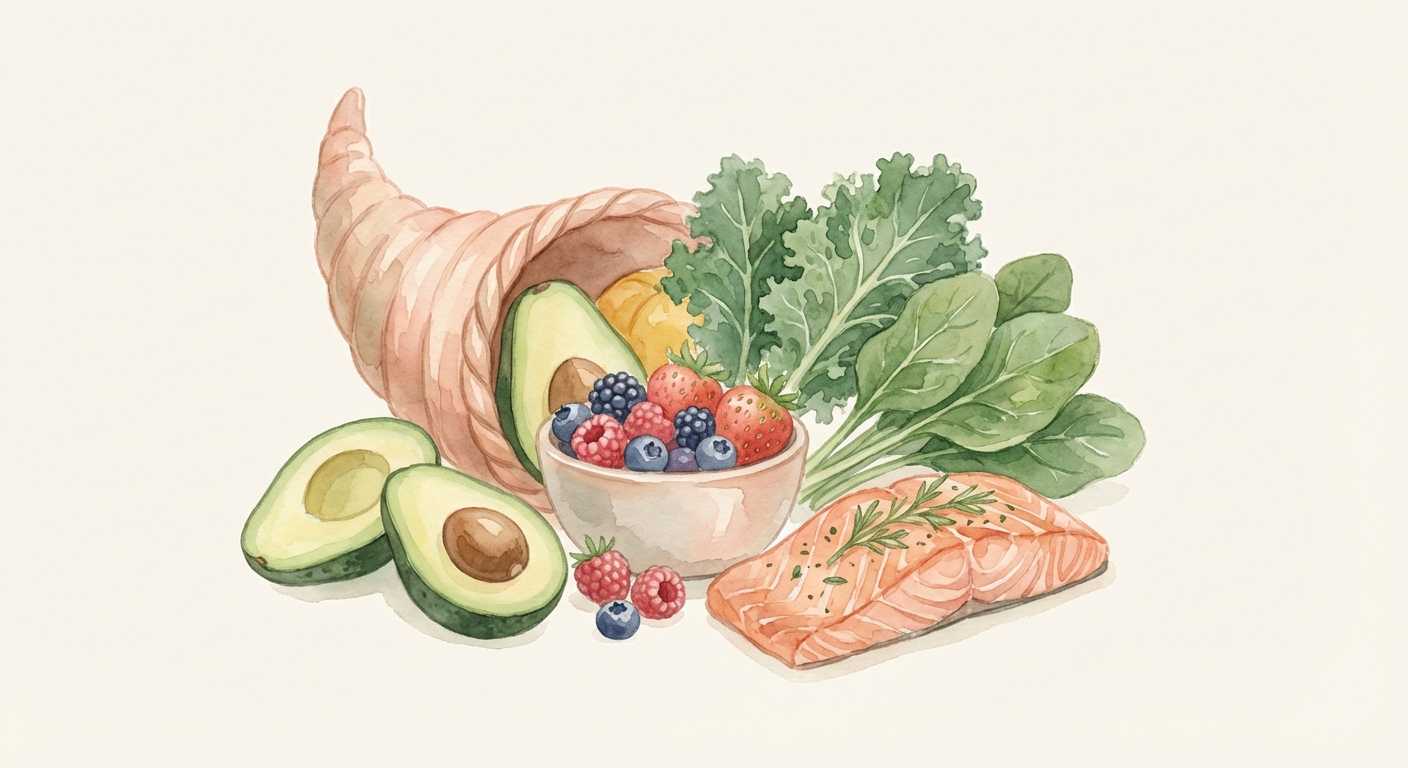
Pregnant people need 27 mg of iron daily to support increased blood volume and fetal development. Iron-rich foods include lean red meat, poultry, fish, beans, lentils, spinach, and fortified cereals. Heme iron (from animal sources) is absorbed better than non-heme iron (plant sources), but combining non-heme iron with vitamin C-rich foods significantly boosts absorption. Most prenatal vitamins contain iron, but food sources provide additional benefits.1
Why Iron is Critical During Pregnancy
Increased blood volume: Your blood volume increases by 50% during pregnancy, requiring more hemoglobin to carry oxygen.2
Fetal development: Your baby needs iron to develop blood supply, brain, and other organs.
Placenta: Requires iron for proper function.
Prevention of anemia: Iron deficiency anemia causes fatigue, weakness, and increased risk of preterm delivery and low birth weight.
Postpartum needs: You’ll lose blood during delivery and need iron stores for recovery and breastfeeding.
Iron Requirements
Before pregnancy: 18 mg/day During pregnancy: 27 mg/day Breastfeeding: 9-10 mg/day (lower because menstruation hasn’t typically resumed)
Best Iron-Rich Foods
Heme Iron (Animal Sources - Better Absorbed)
Lean red meat:
- Beef (3 oz): 3 mg
- Beef liver (3 oz): 5 mg (limit due to high vitamin A)
- Lamb (3 oz): 2 mg
Poultry:
- Chicken liver (3 oz): 11 mg
- Dark meat chicken (3 oz): 1.1 mg
- Light meat chicken (3 oz): 0.9 mg
Seafood:
- Oysters (3 oz cooked): 8 mg (ensure fully cooked during pregnancy)
- Sardines (3 oz): 2.5 mg
- Shrimp (3 oz): 2.6 mg
- Salmon (3 oz): 0.7 mg3
Non-Heme Iron (Plant Sources)
Legumes:
- Lentils (1 cup cooked): 6.6 mg
- White beans (1 cup): 6.6 mg
- Chickpeas (1 cup): 4.7 mg
- Kidney beans (1 cup): 5.2 mg
- Black beans (1 cup): 3.6 mg
- Soybeans/edamame (1 cup): 8.8 mg
- Tofu (1/2 cup): 3.4 mg
Leafy greens:
- Spinach (1 cup cooked): 6.4 mg
- Swiss chard (1 cup cooked): 4 mg
- Kale (1 cup cooked): 1 mg
Fortified foods:
- Fortified breakfast cereal (varies): 4-18 mg per serving
- Fortified oatmeal (1 packet): 11 mg
- Fortified bread (1 slice): 1 mg
Other plant sources:
- Pumpkin seeds (1 oz): 4.2 mg
- Quinoa (1 cup cooked): 2.8 mg
- Potatoes with skin (1 large): 3.2 mg
- Cashews (1 oz): 1.9 mg
- Dried apricots (1/2 cup): 1.8 mg
- Raisins (1/2 cup): 1.4 mg4
Boosting Iron Absorption
Pair with Vitamin C
Vitamin C dramatically increases non-heme iron absorption. Combine iron-rich foods with:5
High vitamin C foods:
- Citrus fruits (oranges, grapefruit, tangerines)
- Strawberries
- Kiwi
- Bell peppers
- Tomatoes
- Broccoli
- Brussels sprouts
- Cauliflower
Examples:
- Spinach salad with strawberries
- Bean burrito with salsa and peppers
- Fortified cereal with orange juice
- Lentil soup with tomatoes
Cook in Cast Iron
Cooking acidic foods (like tomato sauce) in cast iron cookware can increase iron content of food.
Avoid Iron Inhibitors Around Meals
Don’t consume with iron-rich meals:
- Coffee and tea (contain tannins)
- Calcium-rich foods (compete for absorption)
- Whole grains (phytates reduce absorption)
Timing tip: Have coffee or tea between meals, not with meals. Take calcium supplement separately from iron supplement.
Signs of Iron Deficiency
Contact your healthcare provider if you experience:6
Fatigue and weakness: Beyond normal pregnancy tiredness Pale skin, lips, or nail beds Shortness of breath: Especially with mild exertion Dizziness or lightheadedness Cold hands and feet Brittle nails Unusual cravings: Especially for non-food items (pica) Rapid or irregular heartbeat Headaches
Iron Supplements
Prenatal vitamins: Most contain 27 mg iron.
Additional supplementation: If you’re anemic, your provider may prescribe additional iron (typically 60-120 mg daily).
Side effects: Constipation, nausea, dark stools. Taking with food, choosing slow-release formulations, or trying different brands can help.
Timing: Take iron supplements with vitamin C source and away from calcium, coffee, and tea for best absorption.
Don’t overdo it: Only take prescribed amounts. Excessive iron can be harmful.
Sample Iron-Rich Day
Breakfast:
- Fortified oatmeal (11 mg)
- Strawberries (vitamin C)
Snack:
- Hummus (chickpeas) with bell peppers (vitamin C)
Lunch:
- Spinach salad (6 mg) with lean beef (3 mg)
- Orange slices (vitamin C)
Snack:
- Trail mix with pumpkin seeds and raisins (3 mg)
Dinner:
- Lentil soup (6 mg) with tomatoes (vitamin C)
- Quinoa side (3 mg)
Total from food: ~32 mg + prenatal vitamin = excellent iron intake!
Track Your Iron Intake with Nooko
Ensuring adequate iron is essential for preventing anemia during pregnancy. Nooko helps you track iron-rich foods, reminds you to take prenatal vitamins, and suggests meal combinations that boost absorption. Monitor your intake and share data with your healthcare provider to optimize your iron levels.
Download Nooko on the App Store | Get Nooko on Google Play
References
Footnotes
-
American College of Obstetricians and Gynecologists. (2024). “Nutrition During Pregnancy.” https://www.acog.org/womens-health/faqs/nutrition-during-pregnancy ↩
-
ACOG. (2024). “Nutrition During Pregnancy.” ↩
-
USDA FoodData Central. (2024). “Food Composition Databases.” https://fdc.nal.usda.gov/ ↩
-
USDA FoodData Central. (2024). “Food Composition Databases.” ↩
-
Lynch SR. (1997). “Interaction of iron with other nutrients.” Nutrition Reviews, 55(4), 102-110. ↩
-
American College of Obstetricians and Gynecologists. (2021). “Anemia in Pregnancy.” Practice Bulletin, Number 233. https://www.acog.org/clinical/clinical-guidance/practice-bulletin/articles/2021/08/anemia-in-pregnancy ↩
Ready to track your pregnancy?
Join expecting parents using Nooko to track every milestone together.
Join the Nooko Beta →Get Weekly Pregnancy Tips
Expert advice for every stage of your journey
No spam. Privacy policy. Unsubscribe anytime.